
Observe, then create.
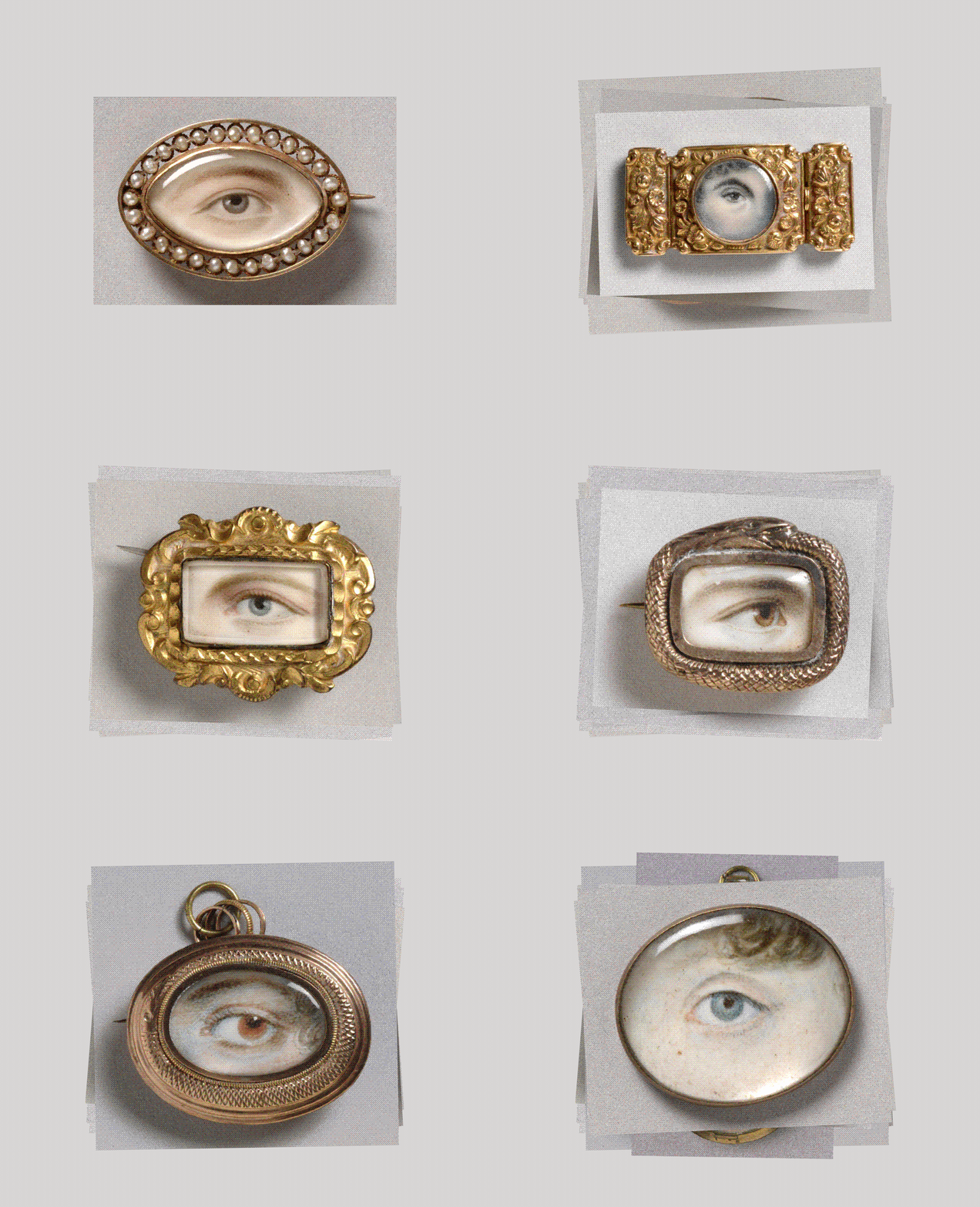
Everyone has the same tools now. Nobody has your eye.

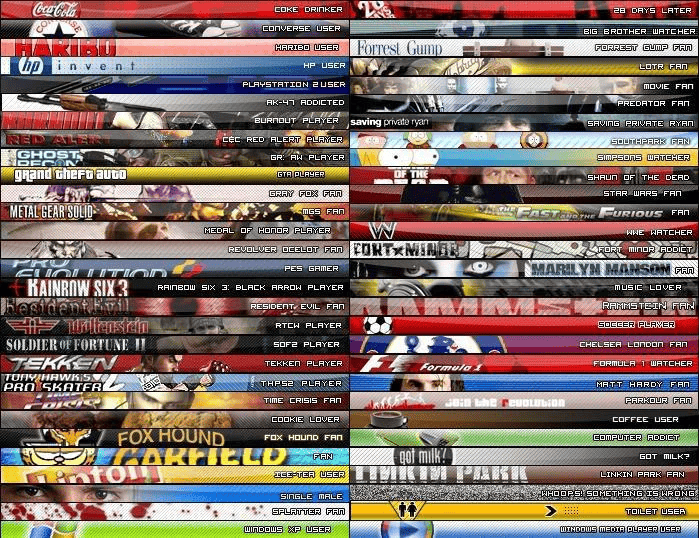
Back in my teens, I fell in love with the custom signature banners players made in game forums. Counter-Strike 1.6, World of Warcraft, GTA San Andreas Online, and more.
I remember watching a bunch of YouTube tutorials and reading forum articles to replicate the effects I saw in those designs using Photoshop. Spending hours hunting down packs of custom gradients to simulate metal texture, figuring out how those effects actually worked, trying things until something make sense to me. Great days.
For more than 10 years, I have been designing. I don’t consider my journey that long, and every day I feel like a novice trying to learn something new. But the future keeps arriving, and the technical barriers with AI keep dropping.
I have been hearing and meditating on that quite a lot lately. And I think I agree.
When I decided to be a designer for real, a foundation was already there, built during that period of gaming and forums. When I started working in agencies as an Art Director, I used to consume a lot of visual references. Behance, blogs, design publications. Observation took up a large part of my career, and it still does. Training my eye for details, texture, composition, weight, balance, colour, technique. Building my designer repertoire was like going to the gym every day. I knew I couldn’t stop if I wanted to stay in shape.
But just consuming references was never a free ticket to create whatever I wanted. Some things I could design and incorporate easily. A lot of them, not really. I used to have a pretty clear view in my head of what the idea looked like, but I didn’t know how to build it. Learning a tool wasn’t the problem, I guess. The time to invest in it was. And some things felt out of reach anyway, like 3D. Always loved it, never could really do it.
Years passed. Technology evolved, the tooling got smarter. AI is here to stay, I guess. None of that matters, though, if you don’t have anything to fill it with.
AI has been proving it can do a lot, but only if you know how to guide it. It’s not magic. It needs clear intention. And I believe observation is one of the best skills a designer can develop right now.
Noticing the world around you and paying real attention to the details will do more for you than you think.
A parallel I’d draw here is painting from observation. You may have come across that classic scene of a painter studying someone while working on their portrait. Think about it for a moment: that isn’t simply looking at a person and drawing them. It takes more than knowing how to handle the medium. It’s about absorbing what you’re seeing at a deeper level, until you understand what makes that person specifically them. The expression, the feeling in their face, the body language, the composition, the colours, the light. Endless examples.
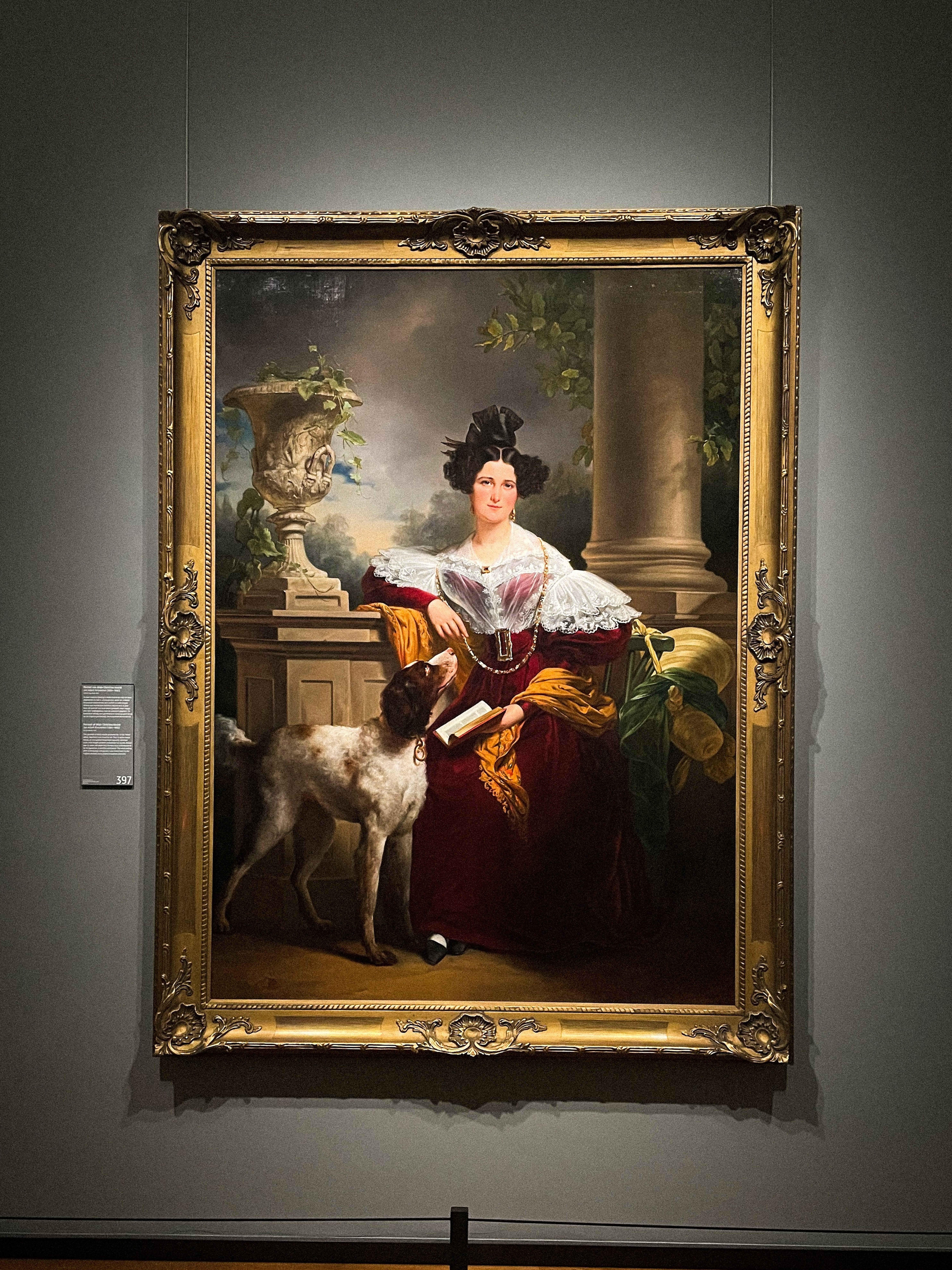
Observation helps you notice the meaning and the details, and build a repertoire you can draw from when it’s time to make choices. What to add, what to replicate, what to subtract. What to create.
David Carson, one of my design heroes, shared this:
“With all the technologies and all the digital advances, ultimately it still comes down to your uniqueness in your eye. A lot of people can buy the same software or have access to it but nobody has access to your uniqueness, your background, your upbringing, your whole life experience”.
Today there is a huge wave of creatives feeling frustrated. Every day there’s a new tool to learn, a new AI hack to crack, everyone building something.
You’re not behind. Maybe you just need to expose yourself to the world around you, and let that settle into something you can draw on, so when the time comes, you translate it in the way only you would.
So how do you develop observation? Start with the things you like. Why do you like them? What is it about them that pulled you in?
Observe, critique, extract. That’s how you build a repertoire that makes you a better designer.
Thanks for reading Gabriel’s Substack! Subscribe for free to receive new posts and support my work.